Decoding Arsenal’s 4-1 Pre-Season Statement Against Girona
Pre-season fixtures often serve as mere fitness exercises, yet certain matches provide a captivating window into a squad’s tactical evolution. As Arsenal stepped onto the pitch at the Estadi Municipal de Montilivi in Catalonia on August 1, 2026, fans were eager to see how new arrivals and emerging academy prospects would mesh with Mikel Arteta’s tactical system. Could the Gunners maintain their ruthless attacking rhythm away from home while managing squad integration during intense summer preparations? This comprehensive match breakdown analyzes how Arsenal dismantled Girona in a 4-1 victory, highlighting key tactical innovations and standout individual performances.
Laying the Foundation: Early Control and Attacking Rotations
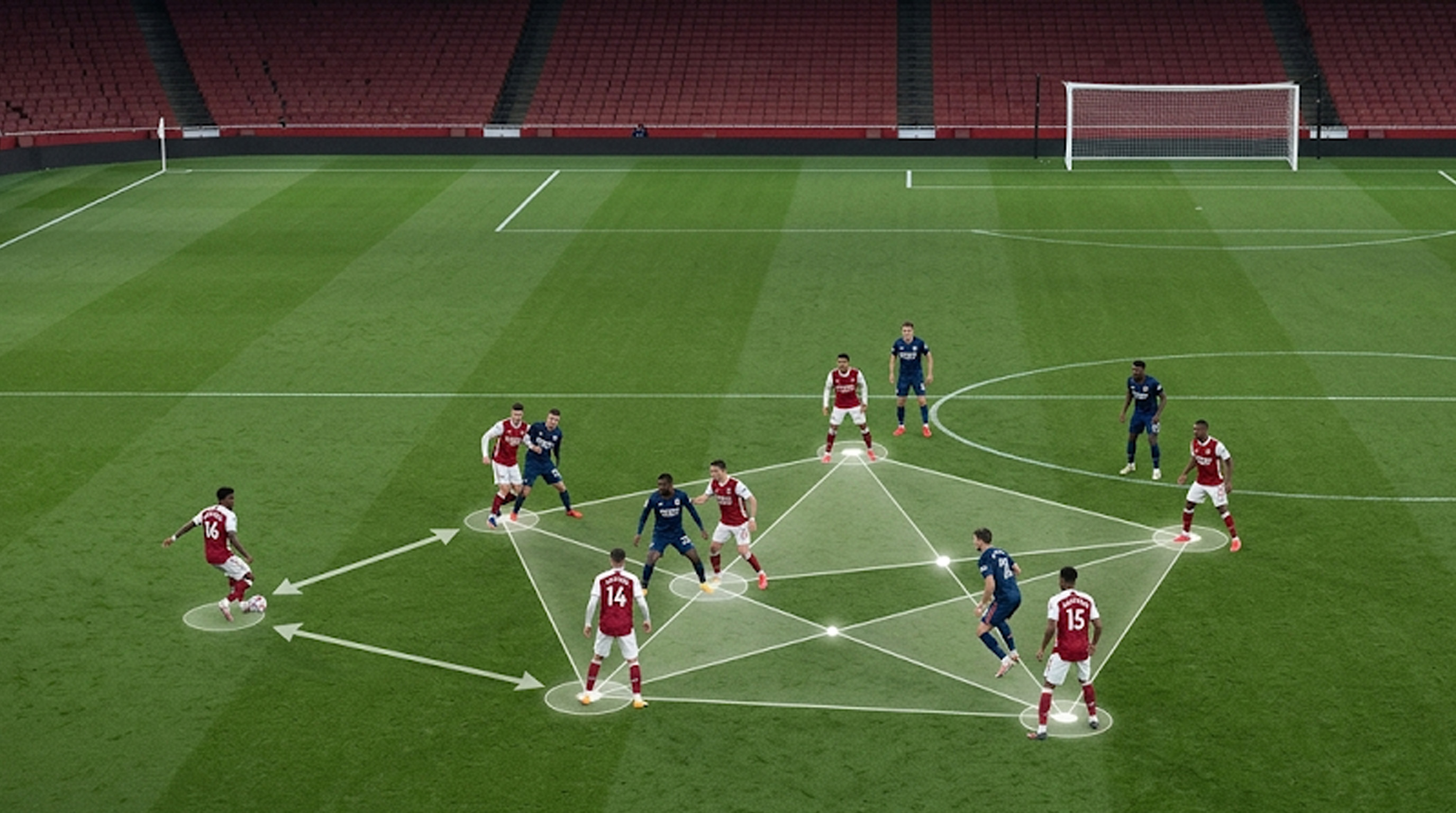
Arsenal asserted command from the opening whistle through structured positional play and fluid movement across the front line. Sixteen-year-old sensation Max Dowman delivered an exceptional performance in the opening half, drifting inside from the right flank to pull Girona’s defensive shape apart. Just past the quarter-hour mark, Dowman turned brilliantly under pressure before threading a crisp through-ball to Kai Havertz, who calmly finished one-on-one past goalkeeper Paulo Gazzaniga to open the scoring.
The pressure did not abate as Arsenal’s summer acquisition, Christos Tzolis, showcased his immediate integration into the system. Operating from the left wing, Tzolis collected a pass from Riccardo Calafiori, drove into the penalty area, and struck a crisp low shot into the bottom corner to mark his first goal for the club and make it 2-0 before half-time. The sequence highlighted Arsenal’s deliberate intent to overload wide areas and isolate defenders in high-value scoring zones.
Deep Dive: Managing In-Game Adversity and Clinical Second-Half Execution
Girona attempted to shift momentum early in the second half when defender Arnau Martínez headed home from a corner to cut the deficit to 2-1. Rather than allowing the host side to build sustained pressure, Arsenal responded with immediate tactical composure and high-intensity pressing. Within minutes of conceding, the Gunners restored their cushion as Max Dowman capped his brilliant display by turning scorer, capitalizing on swift team buildup to make it 3-1.
Moments later, Gabriel Jesus capped off the dominant afternoon by slotting home Arsenal’s fourth goal, putting the result entirely out of reach. This rapid two-goal response demonstrated the squad’s elite game management, seamlessly transitioning from defensive organization to lethal counter-attacks. The victory reflected both physical readiness and the tactical flexibility Arteta demands as the competitive season approaches.